Follow Me On Social Media!

Lebanese Hashweh Rice: Easy Comfort Food for Cozy Nights

Introduction to Lebanese Hashweh Rice
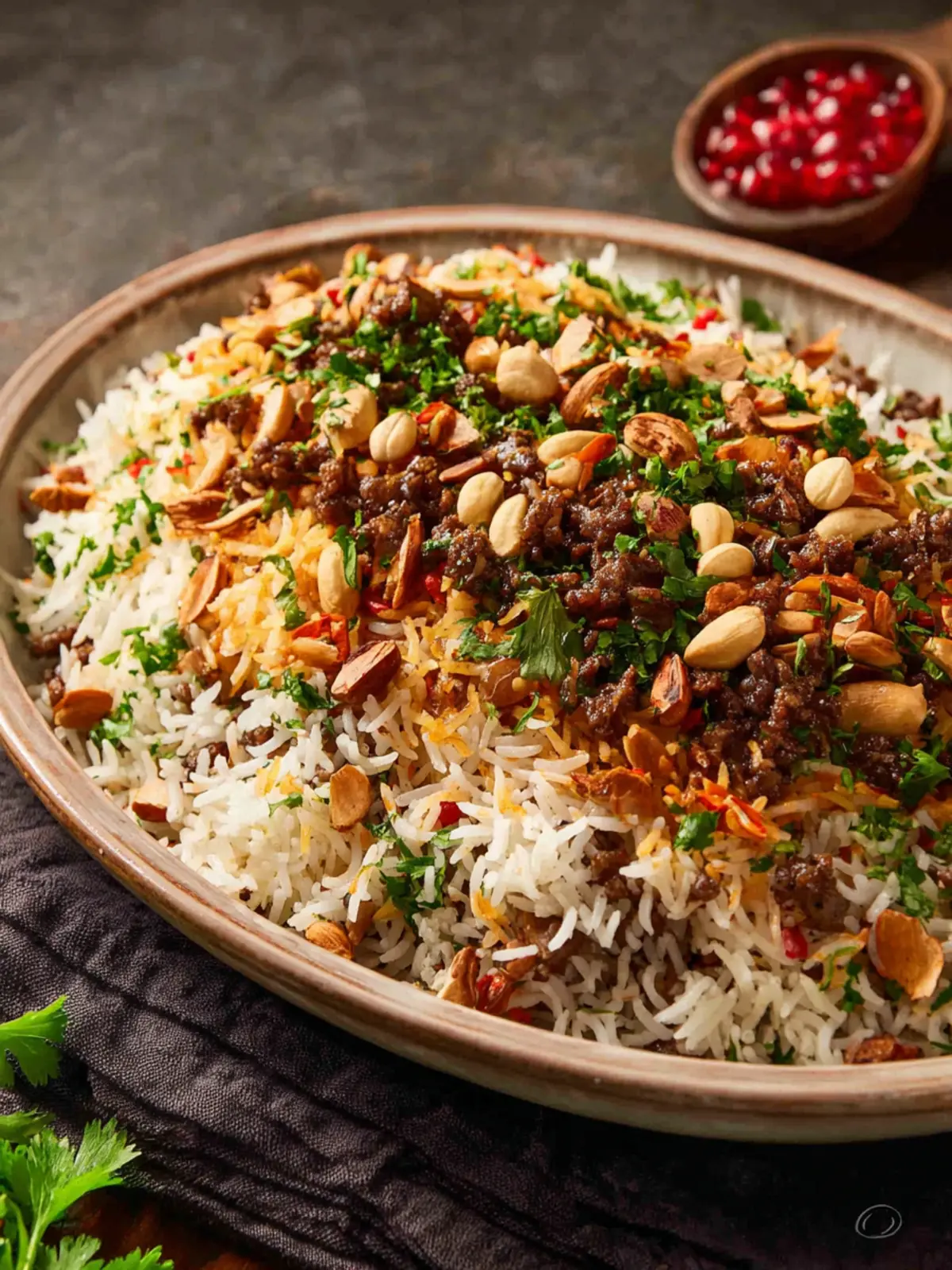
Imagine entering a vibrant Lebanese kitchen, where the aroma of spices dances in the air, inviting you to discover the heart of Lebanese cuisine: Lebanese Hashweh Rice. This delightful dish embodies the rich traditions and flavors of the region, and it’s not just a meal—it’s an experience. Hashweh, meaning “stuffing” in Arabic, encompasses a mix of fragrant ingredients that come together to create a comforting rice dish, often served alongside grilled meats or as a part of festive gatherings.
The magic of Lebanese Hashweh Rice lies in its blend of spices, nuts, and sometimes meat, all infused into perfectly cooked rice. It’s a staple that reflects the culinary diversity of Lebanon, appealing to both locals and those discovering this cuisine for the first time. What makes this dish stand out is not just its unique flavor profile, but also its ability to bring people together, making it a popular choice for family dinners and celebrations alike.
When you take a bite of Hashweh Rice, you’re greeted by a medley of textures and tastes—each mouthful tells a story of tradition and love. It’s typically flavored with spices like allspice and cinnamon, combined with toasted pine nuts and occasionally minced lamb or beef, providing a nutty, savory edge. As you prepare this dish, you’ll find yourself transported to the streets of Beirut, where food is deeply intertwined with culture and community.
Whether you’re an adventurous home cook or someone seeking to explore a new cuisine, Lebanese Hashweh Rice offers an accessible introduction to the flavors of Lebanon. With every scoop, you’ll appreciate the simplicity and depth of this elegant dish, making it a perfect addition to your culinary repertoire. Let’s dive deeper into the ingredients and steps involved in creating this beloved Lebanese classic.

Key Ingredients for Lebanese Hashweh Rice
Lebanese Hashweh Rice is a delightful dish that brings together a symphony of spices and ingredients, transforming simple rice into something truly unforgettable. Let’s explore the key components that make this dish so special.
Rice
For an authentic texture, I always opt for long-grain rice, like Basmati. It has a distinct fragrance and separates beautifully when cooked. The right type of rice is crucial because it absorbs flavors well without becoming mushy.
Ground Meat
Traditionally, ground lamb or beef is used in Hashweh Rice, adding richness and depth. The fat in the meat contributes to the overall flavor profile, but leaner varieties can also work if you prefer a lighter option.
Onions
Onions are sautéed until they turn golden brown, providing a sweet base that complements the spices. The caramelization adds a layer of sweetness, balancing the savory elements of the dish beautifully.
Spices
A mix of cinnamon, allspice, and cumin is essential. These spices usher in warmth and aromatic notes that characterize this Lebanese classic, elevating the rice to a new level.
Nuts and Raisins
To add texture and sweetness, I love incorporating toasted almonds or pine nuts along with raisins. This combination not only enhances the dish aesthetically but also provides a delightful crunch amidst the soft rice.
Embrace these key ingredients and savor the explosion of flavors that Lebanese Hashweh Rice offers in every bite!
Why You’ll Love This Recipe
Lebanese Hashweh Rice is not just a dish; it’s a comforting hug in a bowl that brings people together. I still remember the first time I had this flavorful rice at a friend’s family gathering. As soon as I took that first bite, I was captivated by the incredible blend of spices and textures. The warmth of cinnamon, the nuttiness of toasted pine nuts, and the savory aroma of perfectly seasoned ground beef all combine to create an unforgettable experience.
A Flavourful Blend
What makes Lebanese Hashweh Rice stand out is its complex flavor profile. The dish is beautifully layered with:
- Aromatic Spices: The use of cumin and coriander adds depth, while cinnamon provides a sweet, warming note that surprises and delights.
- Textures Galore: With the crunchy pine nuts and tender rice, each bite offers something unique.
A Perfect Meal for Any Occasion
Whether you’re hosting a dinner party or simply enjoying a cozy night in, this recipe suits every occasion. It’s a show-stopper that will impress your guests but is simple enough for a weeknight meal. Plus, it pairs effortlessly with a side salad or some yogurt, rounding out the meal perfectly.
You’ll find that cooking Lebanese Hashweh Rice is not just about feeding your body but also feeding your soul. So why not give it a try? You might just discover a new favorite to add to your weekly rotation.
Variations of Lebanese Hashweh Rice
Lebanese Hashweh Rice is a beloved staple, but there are countless ways to personalize this dish to suit your palate. Each variation brings a unique twist, making it exciting and versatile.
Adding Different Proteins
While the classic version often features ground beef or lamb, you can easily switch it up. For a lighter option, consider using shredded chicken or turkey. These proteins absorb the spices beautifully and create a lighter dish. If you’re in the mood for something unique, experimenting with seafood can be delightful—try tossing some shrimp or fish in towards the end of cooking.
Flavorful Additions
To elevate your Hashweh Rice, consider incorporating ingredients like raisins, almonds, or pine nuts. These add a lovely sweetness and crunch that contrasts beautifully with the spices. A hint of saffron can also provide a luxurious flavor and rich color, transforming your rice into a show-stopping centerpiece.
Vegetarian and Vegan Options
If you’re looking for a plant-based alternative, skip the meat and replace it with lentils or chickpeas. They not only add protein but also a creamy texture that works wonders. Enhance the dish with your favorite vegetables, such as sautéed bell peppers or diced carrots, to make it more colorful and nutritious.
With these variations, Lebanese Hashweh Rice never loses its charm, inviting you to customize it time and time again.
Cooking Tips and Notes for Lebanese Hashweh Rice
Creating the perfect Lebanese Hashweh Rice is all about achieving that rich, savory balance of flavors and textures. This dish is a staple in Lebanese cuisine, often served during special occasions, and a few key tips can help enhance your cooking experience.
Choosing the Right Rice
Long-grain rice, such as Basmati, works best for Lebanese Hashweh Rice. It allows each grain to remain separate and fluffy, which is crucial for this dish. Rinse the rice thoroughly before cooking to remove excess starch, which can cause it to become gummy.
Spice Selection
The depth of flavor in Lebanese Hashweh Rice comes from a blend of spices. Commonly used spices include allspice, cinnamon, and nutmeg. Feel free to adjust the spice quantities to suit your taste, ensuring the warm, aromatic notes shine through without overpowering the main dish.
Cooking Technique
When sautéing the onions, aim for a caramelized texture to add sweetness to the dish. Patience is key here; letting the onions cook low and slow will elevate the overall flavor profile. Also, consider adding a splash of chicken or vegetable broth instead of water for cooking the rice, enriching the dish even more.
Resting Time
Once you’ve finished cooking, let the rice rest covered for about 10 minutes. This step allows the grains to absorb the flavors fully, making for a sumptuous bite. Enjoy your Lebanese Hashweh Rice as a delightful side or a hearty main dish!

Serving Suggestions for Lebanese Hashweh Rice
When you whip up a batch of Lebanese Hashweh Rice, you’re not just creating a meal; you’re preparing a feast that’s rich in flavor and deeply rooted in tradition. This comforting dish becomes even more delightful when paired with the right accompaniments.
Here are some serving suggestions to elevate your Hashweh Rice experience:
-
Complement with Grilled Kebabs: The smoky, charred flavors of grilled lamb or chicken kebabs pair exceptionally well with the rich spices of the rice. Just imagine how the tender, juicy meat contrasts beautifully with the fluffy rice.
-
Serve with a Fresh Salad: A simple salad made of cucumbers, tomatoes, and fresh herbs, drizzled with lemon juice and olive oil, brings a refreshing crunch to your plate. The bright flavors cut through the richness of the rice.
-
Include a Yogurt Sauce: A garlicky yogurt sauce adds a creamy, tangy note to each bite. Consider sprinkling some fresh mint or parsley on top for added flavor and color.
-
Accompany with Stuffed Grape Leaves: For those special occasions, serving Hashweh Rice alongside stuffed grape leaves (warak enab) offers a delightful mix of flavors and textures.
-
Add a Side of Roasted Vegetables: Roasted seasonal vegetables not only provide a splash of color but also bring sweetness to balance the savory spices in the rice.
Making memorable meals is about creating balance. With these serving ideas, your Lebanese Hashweh Rice will shine as the star of your dining table. Enjoy!
Print
Spiced Beef and Rice
- Total Time: 1 hour 10 minutes
- Yield: 4 servings 1x
- Diet: Gluten-Free
Description
A delicious spiced beef and rice dish that’s perfect for any occasion.
Ingredients
Scale
- 2 tablespoons olive oil (divided)
- 2 tablespoons ghee or unsalted butter (divided)
- 1 small yellow onion (finely diced)
- 1 pound lean ground beef (90% lean) (or ground lamb)
- 2 cups basmati rice (or any long-grain rice)
- 3 cups low-sodium chicken stock (plus more if needed)
- 1 teaspoon 7 spice (baharat) (divided)
- 1 teaspoon ground cinnamon (divided)
- ¼ teaspoon ground black pepper
- 1 to 1¼ teaspoons fine salt (divided)
- ¼ cup pine nuts
- ¼ cup blanched almond halves (or slivered almonds)
- 2 tablespoons chopped fresh parsley (optional for garnish)
Instructions
- Rinse the rice until the water runs clear. Soak for 15 minutes, then drain well.
- Heat 1 tablespoon olive oil and 1 tablespoon of butter or ghee in a large heavy pot over medium heat.
- Add the onion and cook until soft and translucent, about 3 to 4 minutes.
- Add the ground beef to the pan, and season with ½ teaspoon baharat, ½ teaspoon cinnamon, all of the black pepper, and 1 teaspoon salt. Cook until browned, breaking it up with a spoon.
- Remove excess grease from the pan if needed using a paper towel.
- Add the drained rice and the remaining ½ teaspoon baharat, remaining ½ teaspoon cinnamon, and remaining salt.
- Pour in the chicken stock so the liquid sits just slightly above the rice level. Add a small splash more stock if needed.
- Bring to a boil over medium-high heat. Once boiling, do not stir again.
- Cover tightly, reduce the heat to the lowest setting, and cook for 15 minutes without lifting the lid.
- After 15 minutes, remove from heat and let rest covered for 5 to 10 minutes.
- Uncover and gently fluff the rice with a fork.
- In a separate skillet, heat the remaining 1 tablespoon olive oil and 1 tablespoon ghee over medium heat.
- Toast the almonds until lightly golden, then remove from the pan. Toast the pine nuts until lightly golden and remove immediately, as they brown very quickly.
- Transfer the rice to a serving dish and top with toasted nuts and chopped parsley if using.
Notes
- This dish can be garnished with extra herbs for added flavor.
- Adjust spices according to your preference for heat and flavor.
- Store leftovers in an airtight container in the refrigerator for up to 3 days.
- Prep Time: 30 minutes
- Cook Time: 40 minutes
- Category: Main Dish
- Method: Stove top
- Cuisine: Middle Eastern
Nutrition
- Serving Size: 1 cup
- Calories: 450
- Sugar: 1g
- Sodium: 600mg
- Fat: 20g
- Saturated Fat: 6g
- Unsaturated Fat: 14g
- Trans Fat: 0g
- Carbohydrates: 45g
- Fiber: 2g
- Protein: 25g
- Cholesterol: 75mg